

Miami-Dade Building Recertification Requirements: What Owners Need to Know in 2026
Older buildings in Miami-Dade County must be periodically evaluated to confirm that they remain structurally and electrically safe for continued occupancy. For owners and property managers, the process can involve much more than submitting a form. It may require close-up access, testing, repair design, permitting, and construction before the building can be fully recertified.
The best time to prepare is before the official notice arrives. Early planning gives the owner more control over access, budgeting, consultant selection, and repair scheduling.
The key point: Most qualifying buildings in Miami-Dade are recertified at 30 years of age and every 10 years thereafter. Certain coastal condominium and cooperative buildings begin at 25 years. Once the notice is issued, the completed reports are generally due within 90 days.
Which Buildings Require Recertification?
Miami-Dade’s program is broader than Florida’s statewide condominium milestone-inspection law. It can apply to commercial buildings, residential buildings, hotels, office buildings, and parking structures.
In general:
- Most qualifying buildings enter the program at 30 years and are recertified every 10 years thereafter.
- Condominium and cooperative buildings that are at least three stories tall and located within three miles of the coastline generally begin at 25 years, followed by recertification every 10 years.
- Single-family homes, duplexes, and certain small buildings with an occupant load of 10 or fewer and an area of 2,000 square feet or less are exempt.
Miami-Dade contains multiple municipal building departments. The jurisdiction that issued the notice controls the required forms, fees, and submittal process. Owners should confirm the building’s year of construction, property jurisdiction, and prior recertification history rather than relying only on the age shown in internal records.
The 90-Day Notice Period Moves Quickly
The recertification process begins when the property owner receives a Notice of Required Recertification. The structural and electrical reports are generally due within 90 days of that notice.
Ninety days can be a short period for a large or occupied property. The team may need time to review drawings and permits, coordinate access to roofs and restricted areas, arrange lift equipment, inspect façades and parking areas, perform testing, and prepare signed and sealed reports.
Miami-Dade may grant an extension of up to 60 days, but the request must include a signed and sealed statement from the design professional confirming that the building can remain occupied during the extension. Owners should treat an extension as a contingency—not the project schedule.
What Does the Structural Inspection Cover?
The structural inspection is intended to determine whether the building is safe for continued use. It is not limited to a quick review of visible cracks.
Depending on the building, the evaluation may include:
- Foundations, columns, beams, walls, floor systems, and roof framing
- Concrete cracking, spalling, corrosion, and previous repairs
- Structural steel, connections, welds, fasteners, and areas of section loss
- Balconies, railings, parapets, façades, cladding, and attached components
- Roofs, drainage, expansion joints, and signs of water intrusion
- Parking structures, vehicular barriers, and exposed structural components
- Building additions, alterations, and potentially unpermitted work
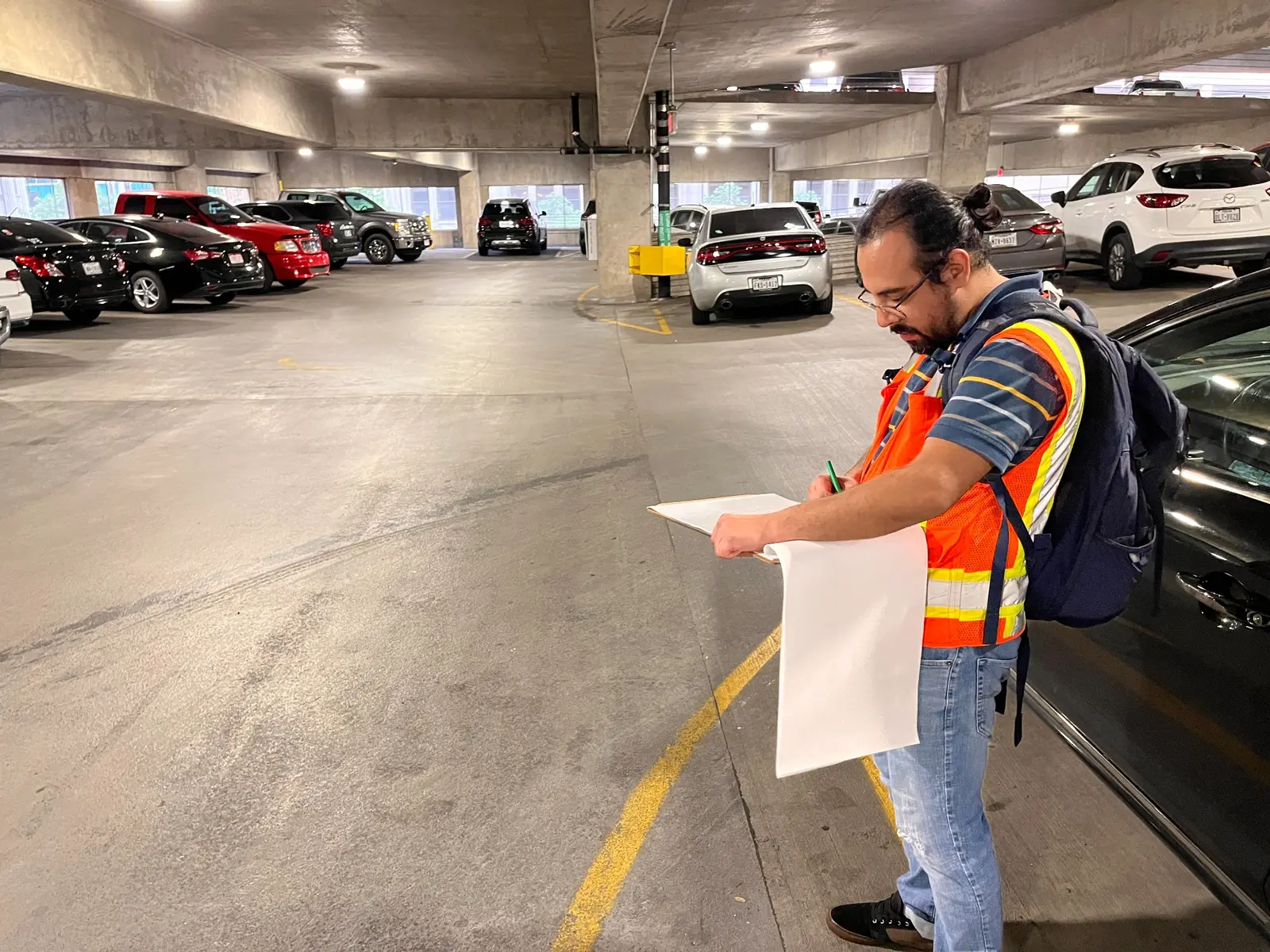
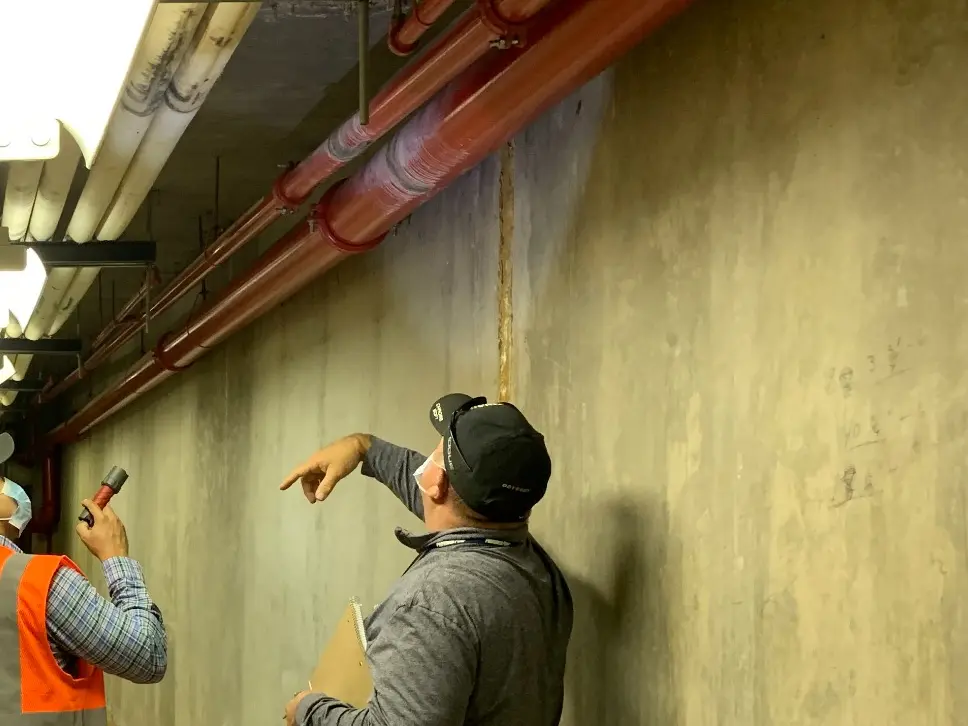
Close-up access is often essential. Deterioration hidden above ceilings, behind finishes, along façades, or beneath parking decks may not be visible from the ground. If the visual inspection identifies significant distress, the engineer may recommend sounding, probes, material testing, monitoring, or structural analysis.
The electrical recertification is a separate discipline and should be coordinated with a qualified electrical professional. For threshold buildings, Miami-Dade also has specific qualification requirements for the structural and electrical engineers responsible for the reports.
What Happens When Repairs Are Required?
Finding deterioration does not automatically mean that a building must be vacated. Many buildings remain occupied while repairs move forward, provided the observed conditions do not create an unsafe situation and appropriate protection is maintained.
When repairs are required, the owner may need to:
- Install temporary protection, restrict access, or provide shoring
- Complete additional investigation to define the extent of deterioration
- Prepare repair drawings and technical specifications
- Obtain permits before construction begins
- Complete the repairs and required inspections
- Submit an amended recertification report documenting the completed work
The current Miami-Dade structural report also distinguishes between maintenance needs, substantial structural deterioration, dangerous conditions, and immediate dangerous conditions. Serious conditions require prompt notification to the appropriate officials.
A consultant who can continue from inspection through repair design and construction helps the owner avoid losing time between each step.
Parking Structures Need Early Attention
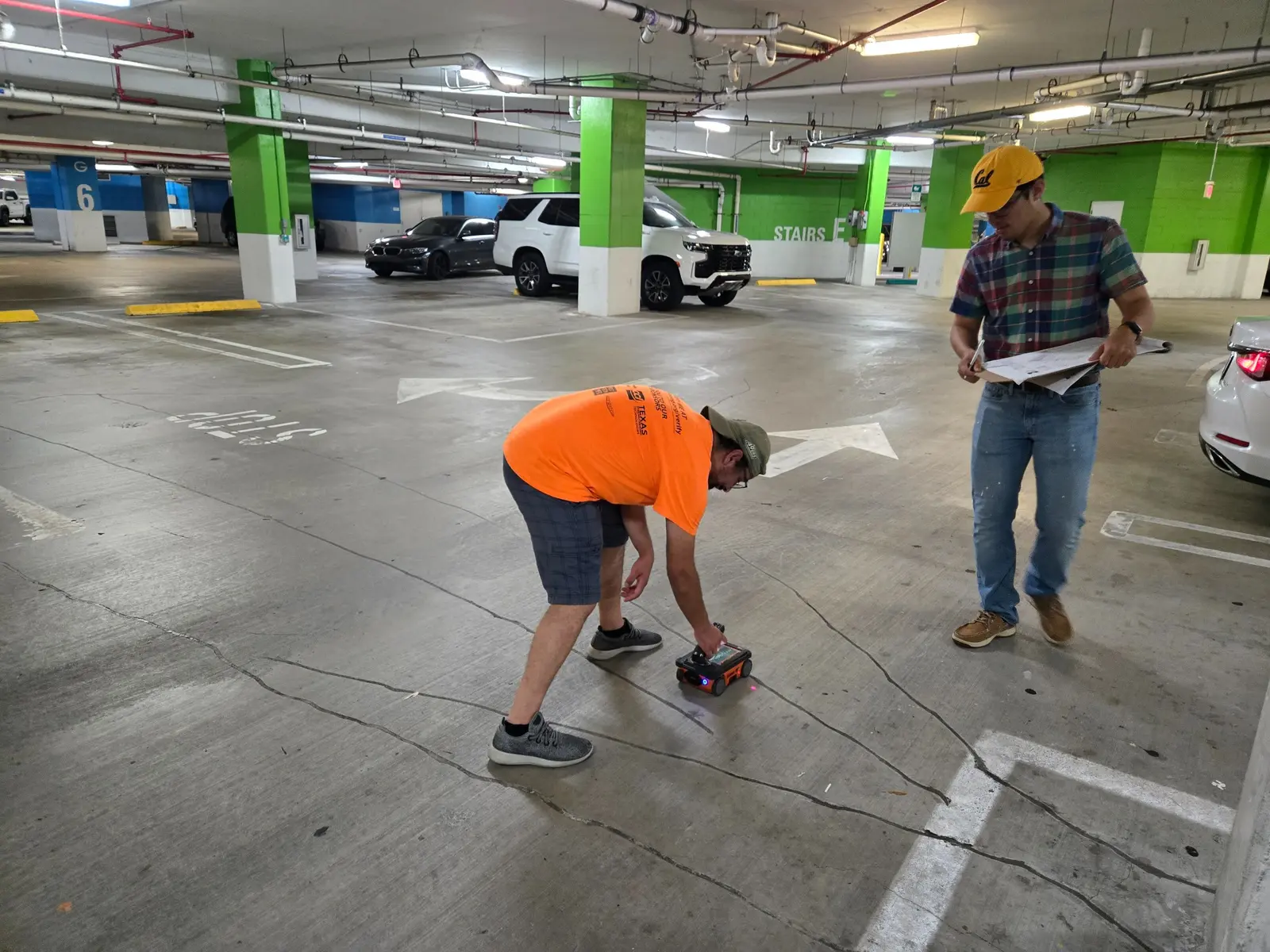
Parking structures are exposed to rain, salt carried in by vehicles, traffic vibration, leaking joints, and constant changes in temperature. Over time, these conditions can contribute to reinforcing-steel corrosion, concrete spalling, failed sealants, damaged barriers, and deterioration around drains and expansion joints.
Because parking decks are large and remain in daily use, access and repair sequencing can become a major part of the recertification effort. Starting early allows the owner to phase observations, plan temporary closures, develop reliable repair quantities, and obtain competitive pricing without waiting for the compliance deadline.
How Preserve Engineers Can Help
Preserve Engineers helps owners and property managers move from recertification planning through completed repairs. Our structural restoration team can:
- Review the notice, prior reports, drawings, and permit history
- Perform the structural inspection and coordinate close-up access
- Document deterioration and identify immediate safety concerns
- Develop testing programs when concealed damage is suspected
- Prepare repair priorities, budgets, drawings, and specifications
- Assist with permitting and contractor bidding
- Provide construction administration and final repair documentation
Our experience includes parking structures, reinforced and post-tensioned concrete, precast systems, structural steel, façades, waterproofing, expansion joints, and corrosion-related repairs.
Is Your Miami-Dade Property Approaching 25 or 30 Years?
Do not wait until the 90-day notice period begins. Preserve Engineers can help review the property’s recertification status, evaluate existing conditions, and develop a practical plan for any required repairs.
Contact Preserve Engineers to discuss your Miami-Dade building or parking structure.
