

Charlotte Pedestrian Bridge and Crosswalk Inspections: What Private Owners Need to Know
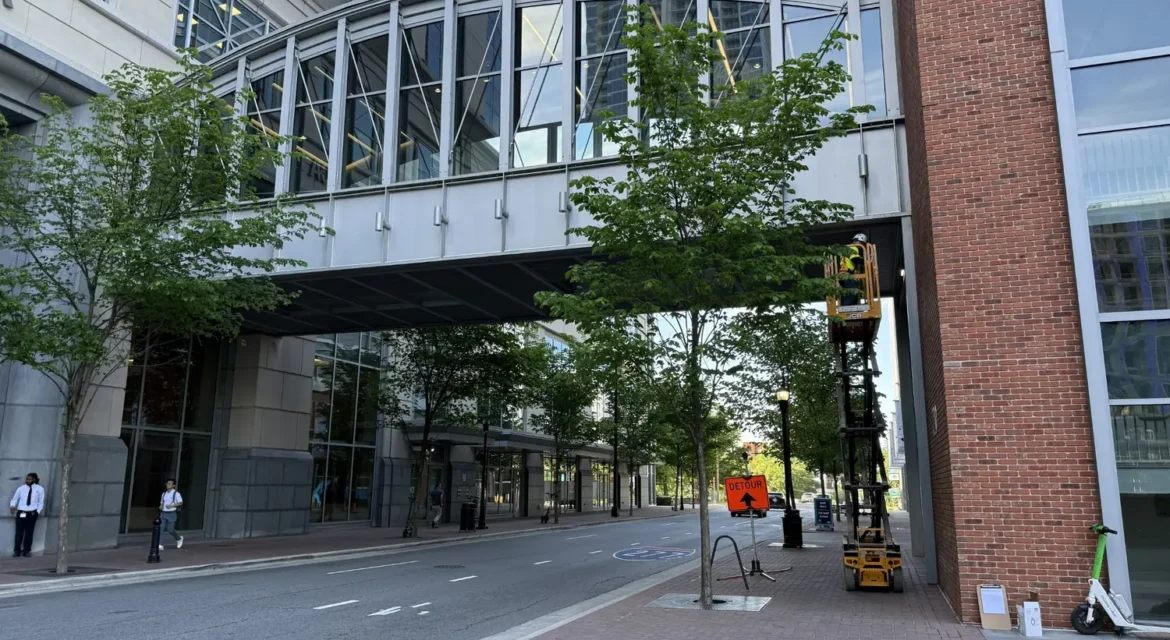
Throughout Uptown Charlotte, privately owned pedestrian bridges, enclosed crosswalks connect parking decks with office buildings, hotels, hospitals, and mixed-use properties. These structures create unique maintenance responsibilities for property owners and their representatives.
Although an enclosed crosswalk may look like an ordinary corridors, it may be suspended above a busy street. Water can enter through failed roof joints and sealants, steel framing can corrode behind ceilings and wall panels, and concrete can crack or spall. Exterior panels, glazing components, and other attachments can also deteriorate or become loose above vehicles and pedestrians.
Regular inspections help owners find these conditions early—before they lead to an emergency closure, falling-material hazard, or costly repair program.
What owners should know: In Charlotte, privately owned pedestrian bridges, enclosed crosswalks, and tunnels are typically inspected annually. However, the specific inspection and reporting requirements are established by the recorded agreement governing each structure. Owners should review their property-specific agreement to confirm the applicable requirements, including whether a sealed inspection report must be submitted to CDOT.
Start With the Recorded Agreement
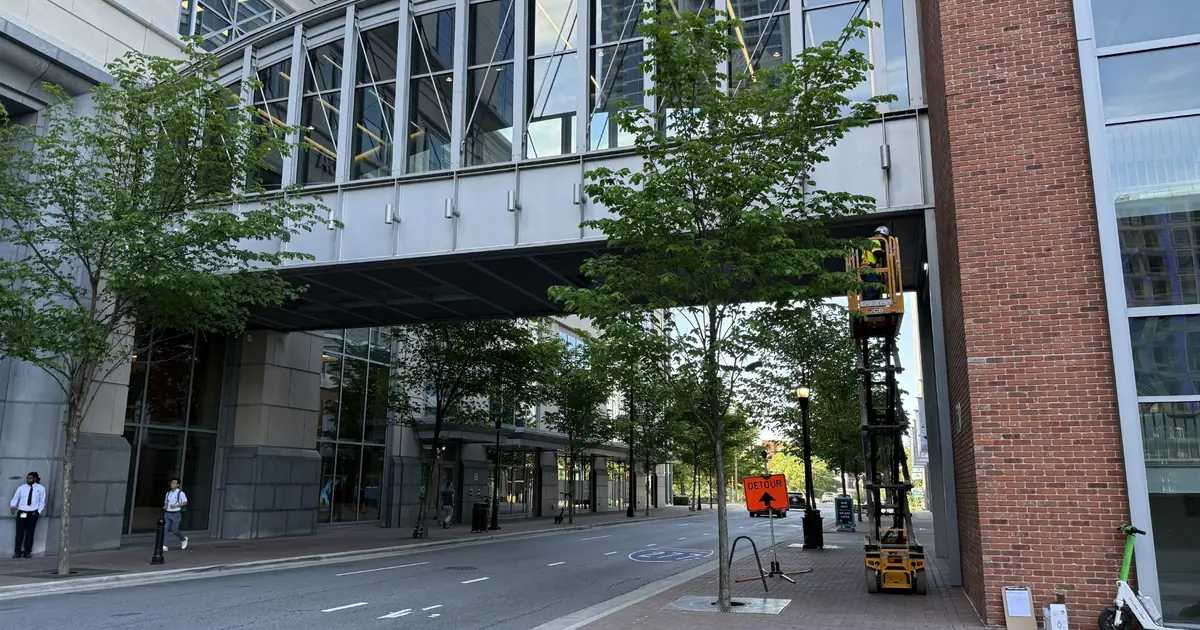
When a private pedestrian bridge, enclosed crosswalk, or tunnel extends over or below a City street, it occupies public right-of-way. The structure is often governed by a property-specific agreement recorded when the connection was approved.
That agreement may identify:
- Who owns and maintains the structure
- How often inspections must be completed
- Whether inspection reports must be submitted to the City
- Insurance, access, repair, and liability requirements
Ownership can become less obvious when the connection joins two properties or when either building has been sold. Before scheduling the next inspection, the owner should locate the recorded agreement, previous inspection reports, original drawings, repair records, and relevant CDOT correspondence.
In Charlotte, privately owned pedestrian connections are commonly required to be inspected annually by a professional engineer. Some recorded agreements also require a sealed inspection report to be submitted to CDOT. Because these requirements are property-specific, owners should review the agreement governing their structure to confirm the applicable inspection and reporting requirements.
Why These Structures Need Regular Attention
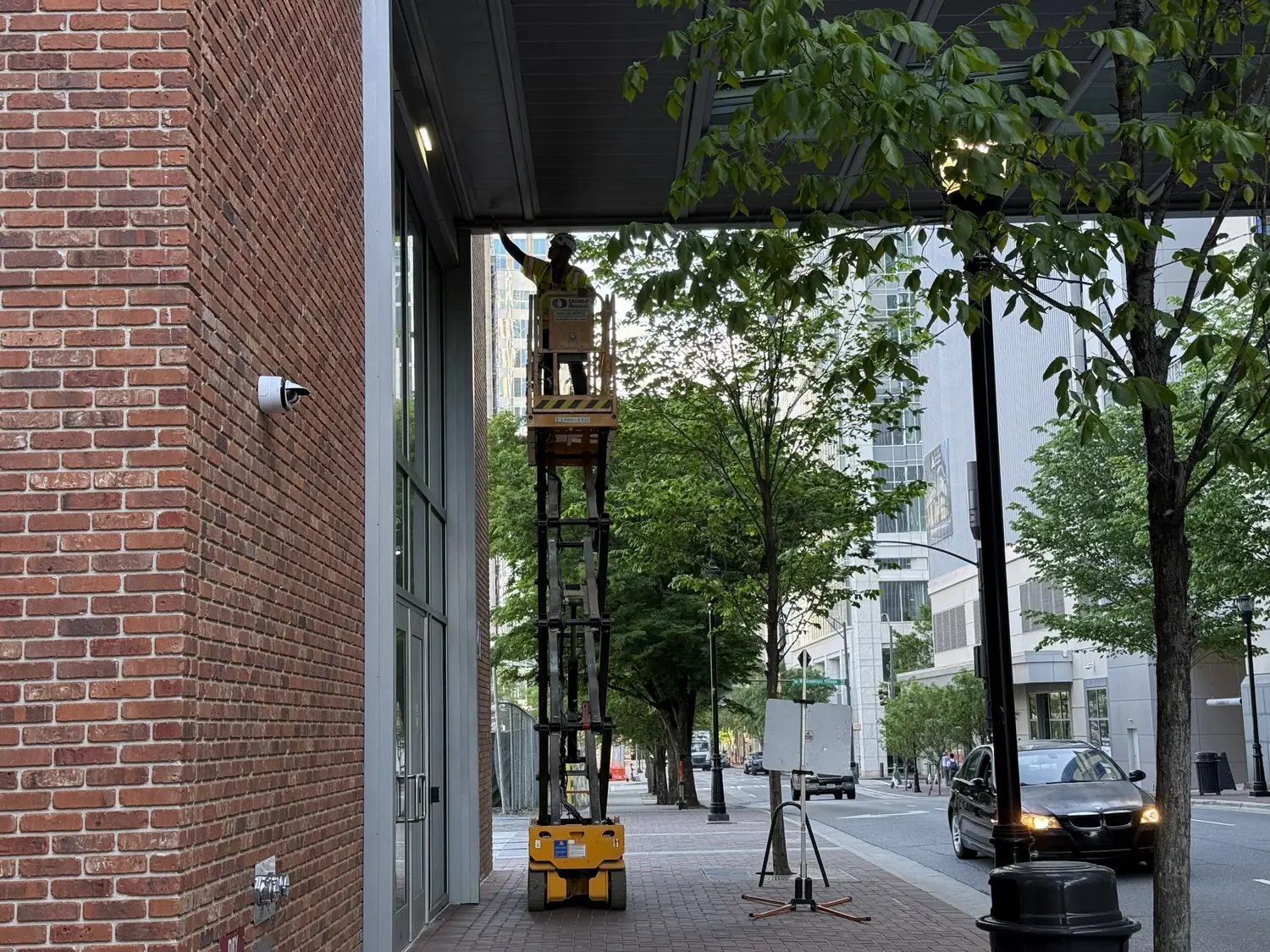
Pedestrian connectors experience conditions that interior building corridors do not. The structure may be exposed to rain, temperature changes, traffic vibration, wind, deicing chemicals, and occasional vehicle impacts. It must also accommodate movement between two buildings that may expand, contract, or settle differently.
Water is one of the most common sources of deterioration. Failed sealants, roof transitions, expansion joints, glazing systems, and drains can allow repeated leakage into structural components.
These problems rarely improve on their own. A failed joint that begins as a maintenance item can eventually contribute to corrosion, damaged finishes, unsafe walking surfaces, and more extensive structural repairs.
What a Proper Inspection Should Cover
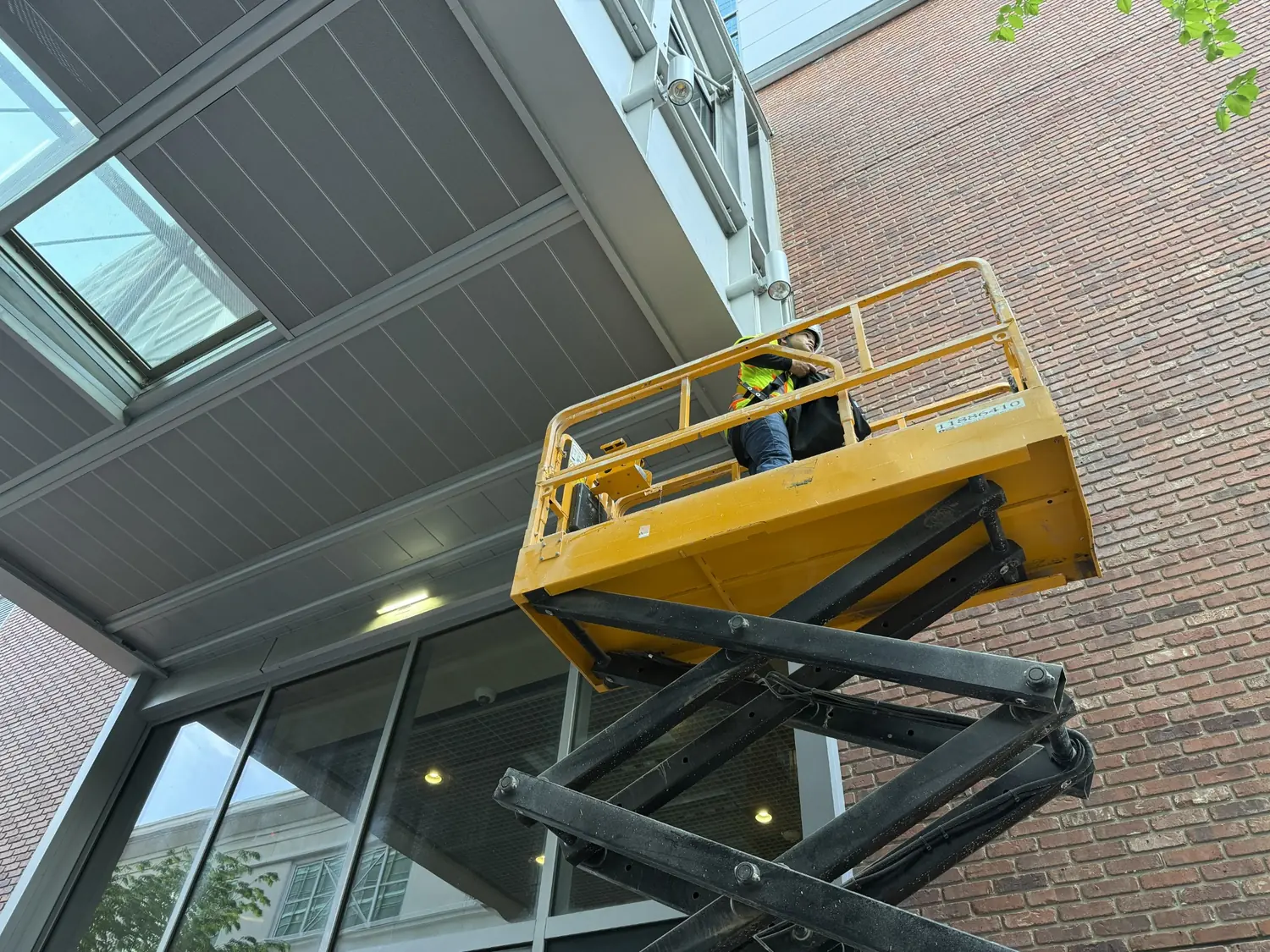
A useful inspection does more than document visible cracks. It follows the path of water, reviews the load-carrying system, and considers the safety of people both inside and below the structure.
Structural Components
- Primary beams, trusses, columns, floor systems, and supports
- Connections, welds, bolts, anchor rods, bearings, and embedded plates
- Concrete and masonry walls, slabs, foundations, and landings
- Corrosion, section loss, cracking, spalling, movement, and impact damage
Water Management and Enclosure
- Roofing, glazing, cladding, ceilings, and exterior panels
- Expansion joints, sealants, waterproofing, and building transitions
- Drains, scuppers, sumps, pumps, and recurring leakage areas
- Loose or deteriorated materials above streets and sidewalks
Pedestrian Safety
- Walking surfaces, changes in elevation, and trip hazards
- Guards, handrails, doors, and accessible routes
- Lighting or finishes where deterioration may indicate hidden leakage
- Conditions that could require temporary protection or restricted access
The final report should give the owner a clear plan—not simply a collection of photographs. It should:
- Document the inspection scope, access methods, and limitations
- Identify observed conditions and their locations
- Flag immediate safety concerns and recommended protective measures
- Separate routine maintenance from structural repair needs
- Prioritize repairs by urgency
- Recommend additional testing, a repair schedule, and a planning budget
- Confirm the recommended date for the next inspection
A well-organized report also creates a useful condition record for future inspections, property transactions, insurance discussions, capital planning, and coordination with CDOT.
How Preserve Engineers Can Help
Preserve Engineers helps private owners and property managers inspect and maintain pedestrian bridges, enclosed crosswalks, and tunnels throughout Charlotte. Our team can:
- Review recorded agreements, drawings, and previous reports
- Help confirm the inspection scope and applicable requirements
- Coordinate access equipment, protection, and right-of-way needs
- Perform the structural inspection and prepare the engineering report
- Develop repair priorities, budgets, and construction documents
- Assist with bidding, construction administration, and future inspection planning
